Fuel price surge drives shift toward electric vehicles
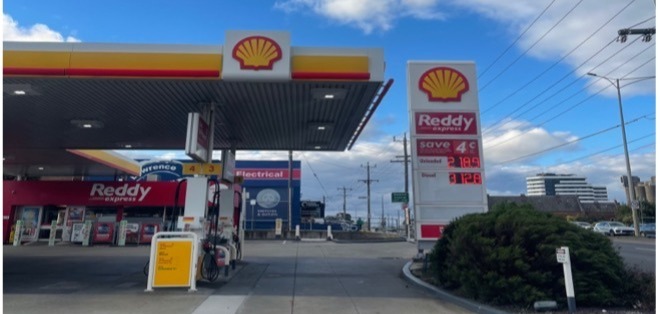
Rising fuel prices linked to the escalating conflicts in the Middle East are reshaping car buying habits in Australia, with economists and industry figures pointing a shift towards electric vehicles (EVs).
Australian Institute Chief Economist Greg Jericho said that global oil price increases as a result of the conflicts have had a “massive impact” on Australian fuel costs.
“We’ve seen oil prices rise incredibly sharply… now hovering around $100USD a barrel”, he said.
“The general guide is that for every $10 barrel (increase), prices go up about 10 cents a litre for unleaded. Before the petrol rebate halving came in, we saw (prices) go up close to 60 cents – which was very significant.”
Jericho said the increase had gone beyond normal fluctuations, placing pressure on households and influencing how Australians think about driving and spending. “It really started affecting how people were thinking about using their car and how much they could afford to drive,” he said.
That pressure is reflected in the automotive market. Data from the Electric Vehicle Council, as reported by the ABC, shows electric vehicle sales in Australia rose by 42% in March 2026 compared to last year. Furthermore, petrol car sales have dropped more than 25% in the first quarter of 2026 compared to four years ago.
Online automotive marketplace Carsales reported EV searches tripled between February and March 2026, showing stronger consumer interest before purchase decisions.
That shift is being felt on the ground, according to MG Werribee sales manager Nigel Mace, who said customer behaviour has changed in response to rising fuel costs.
“There’s been a much stronger trend towards electrified vehicles,” Mace said.
“We’ve noticed a really large uptick in enquiries… a huge demand for the cars we have available.”
Mace said nearly “every enquiry” is now focused on electric or hybrid vehicles, while interest in petrol and diesel models has declined.
“Petrol and diesel vehicles have received less enquiry… and lower sales than normal,” he said.
Jericho said fuel price increases act as broader economic pressure on households, reducing spending power because petrol is essential.
“Petrol is basically a necessity… you really can’t avoid having to pay it,” he said.
“What that means is the petrol price rises cut back on people’s ability to spend money elsewhere.”
Broader economic analysis also suggests fuel price instability is impacting inflationary pressure, with the Australian Financial Review reporting higher fuel costs could push inflation from 3.7% in February into high 5-6% mid-year.
Both Jericho and Mace said recent fuel price spikes may be accelerating a shift already underway.
“I think absolutely,” Jericho said when asked whether rising fuel costs are influencing vehicle purchasing decisions.
Mace said many consumers had previously been hesitant but are now pushed by rising costs. “This has seen a strong spike in EV purchases. They needed something that gave them a push - higher fuel costs are the thing that’s given them a push,” he said.
He added lower running costs and home solar charging are influencing decisions. “The cost to charge an electric vehicle at home is only a few dollars as opposed to buying a tank of fuel which is now very expensive.”
While both acknowledge the shift is gaining momentum, Jericho said the long-term impact depends on whether fuel prices remain elevated.
“If the crisis doesn’t get fixed anytime soon… it goes from a tough period to the new normal,” he said.
Mace believes the trend may extend beyond the current crisis. “I don’t think it will suddenly go back to all petrol again,” he said.
“This trend… could be a more permanent thing in the Australian car market.”
Post a comment